Find out Just How an Emulsifier in Food Can Aid Achieve Flawlessly Mixed Recipes Each Time
Emulsifiers are crucial active ingredients in the cooking globe, allowing the blending of oil and water-based parts. Their capacity to minimize surface tension allows for the creation of stable blends, enhancing both appearance and taste in various meals. Understanding just how these substances feature can change the way one comes close to cooking. Yet, several stay not aware of the various sorts of emulsifiers and their particular applications. Exploring this subject reveals useful insights for accomplishing culinary excellence.
What Are Emulsifiers and Exactly How Do They Function?
Emulsifiers play a vital role in the food market by enabling the secure mixing of components that typically do not integrate, such as oil and water. These substances have both hydrophilic (water-attracting) and hydrophobic (water-repelling) buildings, permitting them to communicate with both kinds of ingredients. When an emulsifier is included to a mix, it decreases the surface area stress in between the oil and water, helping with the development of small beads of one fluid spread within the other. This process develops a secure emulsion, avoiding splitting up gradually and boosting appearance and mouthfeel. Emulsifiers are basic in numerous food products, from salad dressings to ice lotions, ensuring consistency and quality. They additionally add to the general sensory experience of food, affecting flavor launch and aesthetic charm. Comprehending how emulsifiers work is important for food researchers and chefs alike, as they venture to produce well balanced and satisfying cooking experiences.
Usual Sorts Of Emulsifiers Made Use Of in Food Preparation
Countless kinds of emulsifiers are used in cooking to accomplish desired textures and security in numerous food items. Typical emulsifiers include lecithin, which is naturally found in egg yolks and soybeans, and is commonly utilized in mayonnaise and dressings. An additional widespread emulsifier is mustard, which consists of compounds that help blend oil and water in sauces.
Additionally, business emulsifiers such as mono- and diglycerides are commonly added to processed foods to improve their stability and boost service life. Starch-based emulsifiers, derived from corn or potatoes, are additionally used in gravies and desserts for thickening and appearance. Casein, a milk protein, serves as an emulsifying representative in dairy products like cheese and lotion. Each of these emulsifiers plays a necessary role in making certain that ingredients mix perfectly, giving the preferred consistency and flavor in cooking developments.
The Scientific research Behind Emulsification
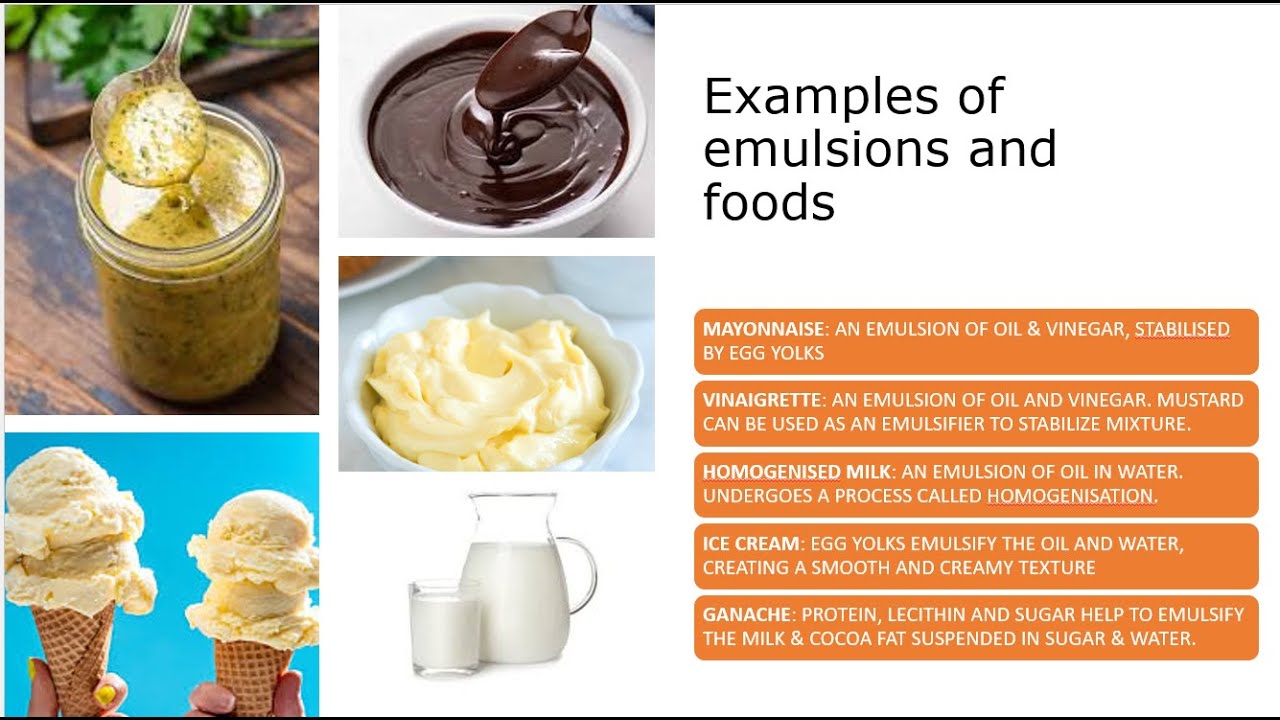
The security of an emulsion relies upon the equilibrium between the pressures acting on the distributed beads. If the beads integrate, the solution can break, bring about splitting up. Different elements, such as temperature level, focus of the emulsifier, and the technique of mixing, influence the success of emulsification. Understanding this scientific structure is important for achieving regular cause cooking applications including emulsions.
Tips for Using Emulsifiers in Your Dishes
When integrating emulsifiers into dishes, mindful factor to consider of their buildings and capability can considerably improve the end product. First, one must choose the appropriate their explanation emulsifier based upon the desired texture and security of the dish. Emulsifier In Food. Typical options consist of lecithin, mustard, and egg yolks, each offering one-of-a-kind benefits
It's necessary to understand the temperature at which the emulsifier functions finest; for instance, some emulsifiers function efficiently at room temperature level, while others need heat. Slowly including oil to the emulsifier while blending can assist develop a stable emulsion.
Additionally, the ratio of emulsifier to fluid is important; inadequate might cause separation, while way too much can produce an undesirable appearance. Ultimately, appropriate storage space problems ought to be taken into consideration, as some emulsified products may require refrigeration to maintain stability and quality. By complying with these ideas, cooks can accomplish continually well-blended recipes.

Delicious Recipes Featuring Emulsifiers
While many chefs might not understand it, including emulsifiers right into recipes can elevate dishes to new heights of taste and appearance. For example, a timeless vinaigrette advantages substantially from the enhancement of mustard, which functions as an emulsifier, providing a smooth consistency that binds oil and vinegar perfectly. Homemade mayonnaise showcases the power of egg yolks, developing a velvety, luxurious sauce perfect for sandwiches and salads. - Emulsifier In Food
In baking, emulsifiers like lecithin can aid achieve a tender crumb in muffins and cakes, improving wetness retention. A rich delicious chocolate ganache, made with heavy lotion and delicious chocolate, can likewise incorporate an emulsifier to keep a silky surface. Additionally, ice creams often use emulsifiers to avoid and guarantee a velvety structure ice crystal formation, causing a wonderful treat experience. By integrating these emulsifying representatives, chefs can create recipes that thrill the palate and page provide a rewarding mouthfeel.
Regularly Asked Questions
Are Emulsifiers Safe for Individuals With Food Allergies?
Emulsifiers can be secure for individuals with food allergies, relying on the particular emulsifier utilized. Nevertheless, cross-reactivity and specific level of sensitivities vary; subsequently, speaking with a medical care expert is suggested to ensure safety and security.
Can I Make My Own Emulsifier in your home?
Yes, individuals can produce homemade emulsifiers utilizing active ingredients like egg yolks, mustard, or honey. These all-natural you can try these out options can efficiently blend oils and water-based components, offering a simple service for numerous cooking applications.
Just How Do Emulsifiers Impact the Nutritional Worth of Food?
Emulsifiers can improve the nutritional value of food by improving nutrient absorption and security. Nonetheless, too much intake might lead to adverse results, possibly modifying food digestion processes and affecting digestive tract health in sensitive individuals.


Exist Any Kind Of Adverse Negative Effects of Consuming Emulsifiers?
Some research studies suggest that taking in emulsifiers may lead to gastrointestinal problems or interrupt intestine microbiota balance. However, more research study is necessary to completely understand their long-lasting effects on health and prospective unfavorable adverse effects.
Can Emulsifiers Modification the Taste of My Recipes?
Emulsifiers can discreetly modify the flavor account of recipes. By boosting structure and mouthfeel, they may make tastes extra well balanced or obvious, but they normally do not convey strong tastes on their own.
Emulsifiers play a vital role in the food sector by making it possible for the secure mixing of components that usually do not integrate, such as oil and water. Various kinds of emulsifiers are utilized in food preparation to attain preferred structures and stability in different food products. Additionally, commercial emulsifiers such as mono- and diglycerides are often included to refined foods to enhance their stability and boost rack life. It's vital to understand the temperature level at which the emulsifier works best; for circumstances, some emulsifiers work efficiently at room temperature, while others require heat (Emulsifier In Food). Emulsifiers can be safe for people with food allergies, depending on the specific emulsifier utilized